Press Kit
Press and Media Assets for Kikuvi
What is Kikuvi?
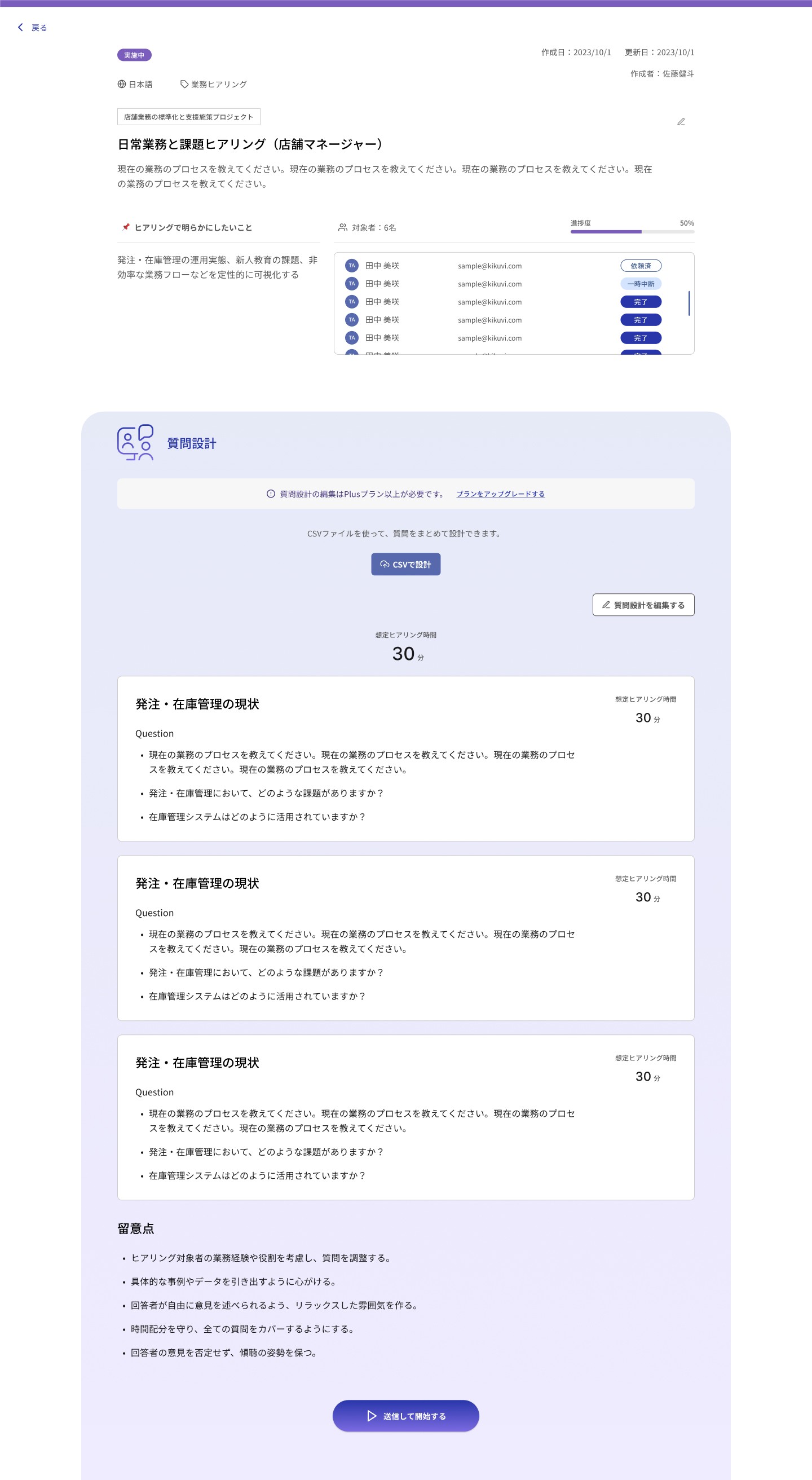
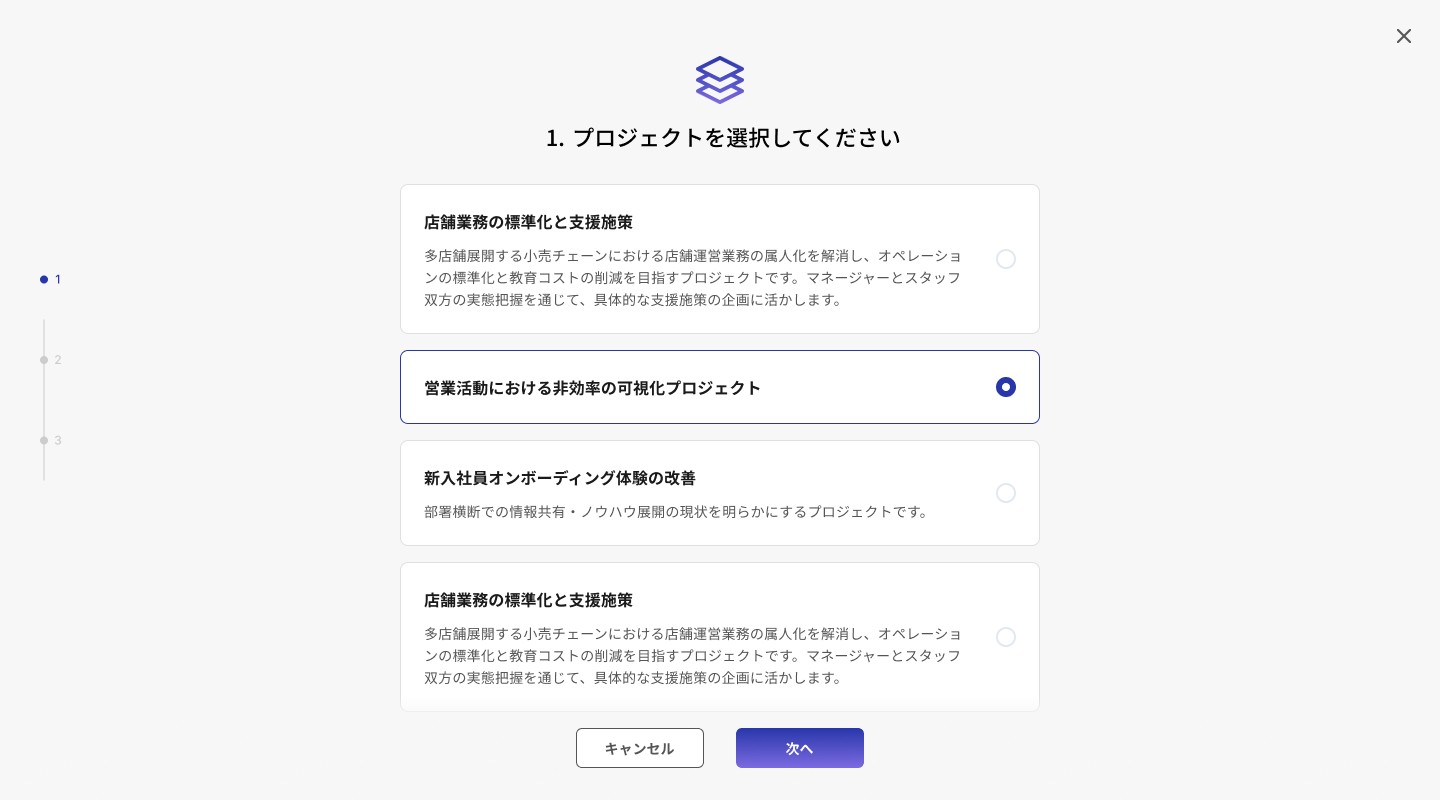
Kikuvi is an AI interview agent that visualizes an organization’s tacit knowledge. It automates business interviewing and listening tasks end to end, from question design to response collection, summarization, and analysis, and transforms them into structured insights that can be used for decision-making.
Traditionally, interviewing tasks have required many steps and significant labor costs, and quality has varied depending on the interviewer’s skill. Kikuvi integrates these processes with AI and removes constraints of time, place, and language through a mechanism that allows respondents to answer asynchronously at a time that is convenient for them.
Mission and Value Proposition
Kikuvi's mission is to redefine the value of “time” for humanity and eliminate wasted time entirely.
In many organizations, far more time is spent on preparation, scheduling, organization, and analysis before and after interviews than on the interviews themselves. Kikuvi creates an environment where AI handles tasks that people do not need to do, allowing them to focus on the judgment, interpretation, and actions that only people should provide.
Kikuvi is not simply a tool for recording or summarizing. It is designed as a foundation for structuring primary information such as tacit knowledge, the context behind decision-making, and how exceptions are handled—information that is not captured in existing databases or logs—and connecting it to better decision-making.
Service Features
A design that allows quantitative and qualitative data to be handled within the same workflow
Within a single interview, we simultaneously collect and analyze trend data from structured questions and authentic feedback that includes context and nuance from open-ended spoken responses. This enables a deeper understanding of why the results turned out as they did, which cannot be seen from numbers alone.
Asynchronous, voice-native
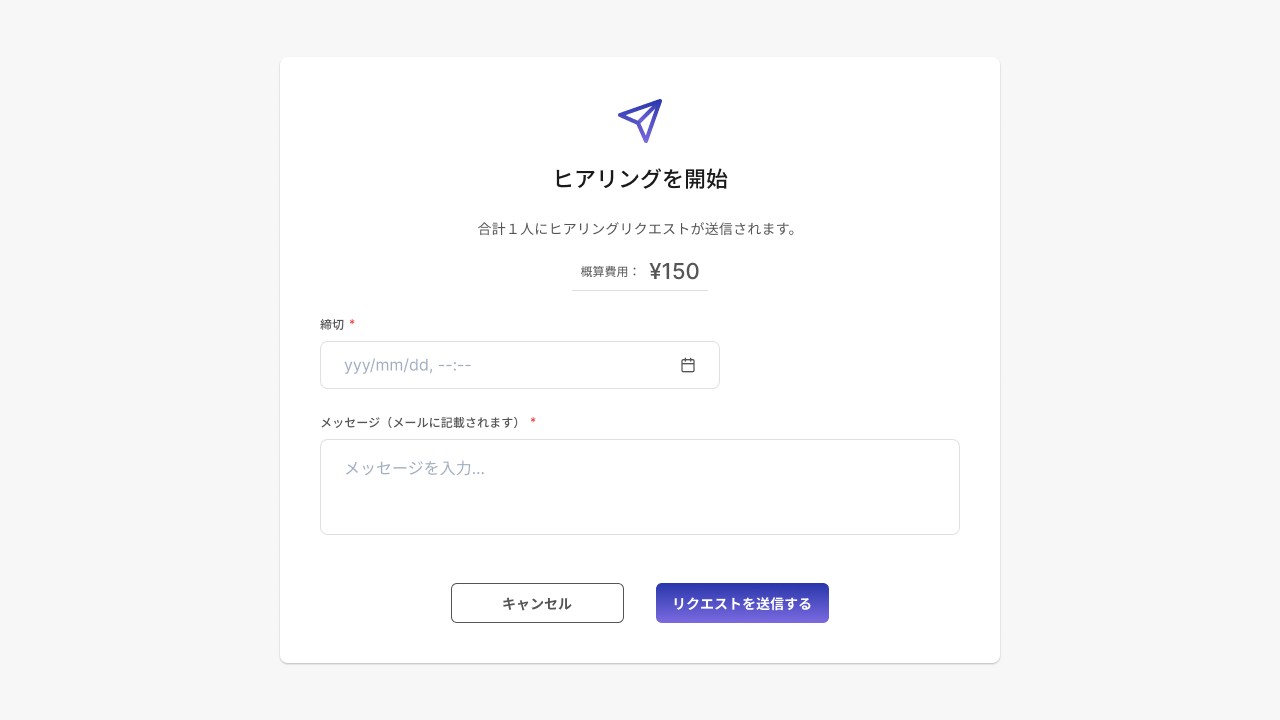
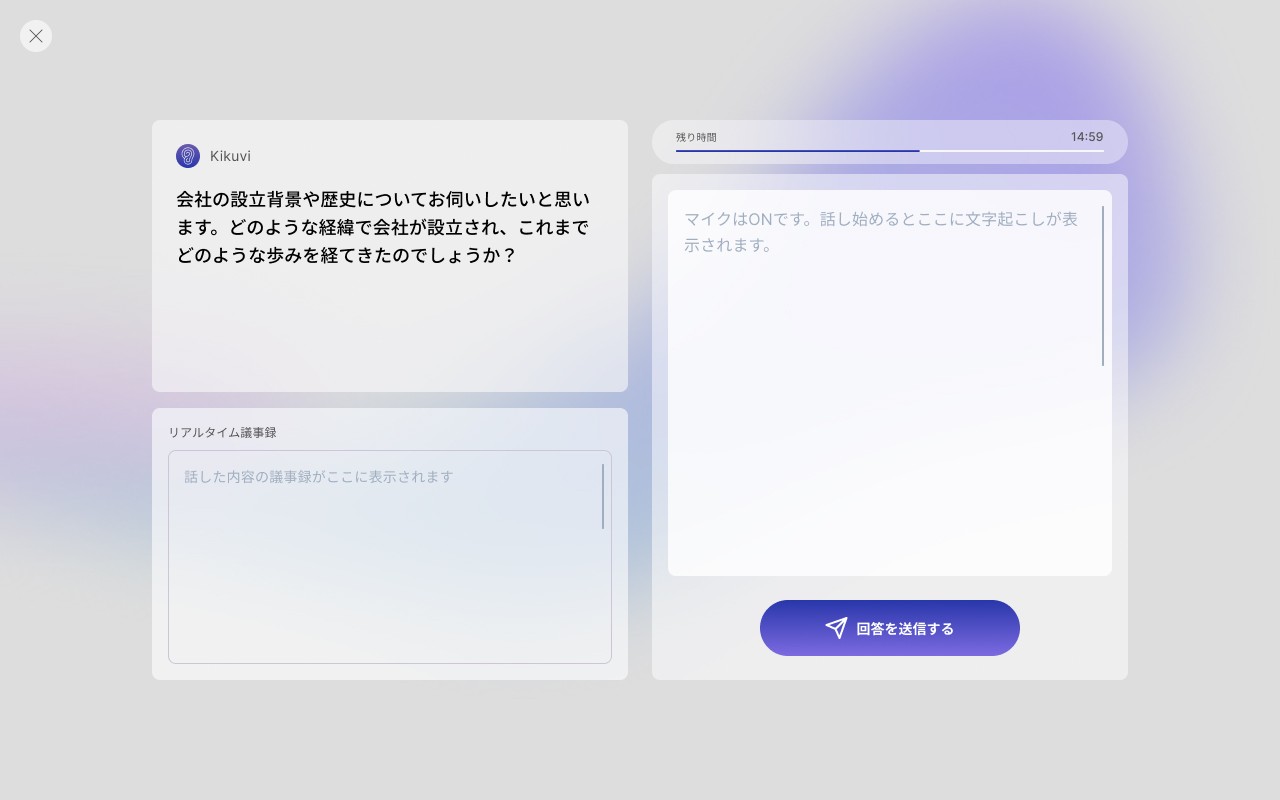
Respondents do not need to create an account and can answer via voice or text from a smartphone. Voice responses contain three to four times as much information as text, enabling the collection of richer first-hand insights while reducing the burden on respondents.
Scalable collection and structuring
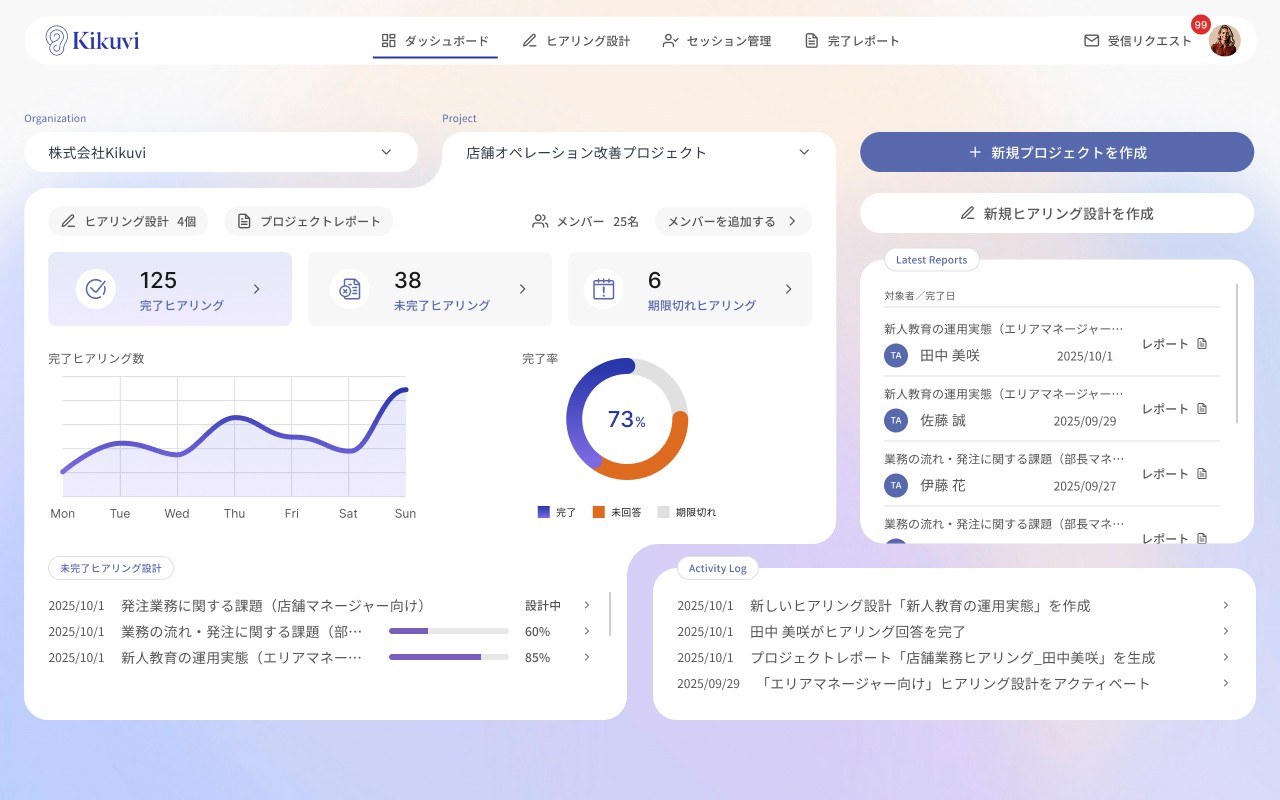
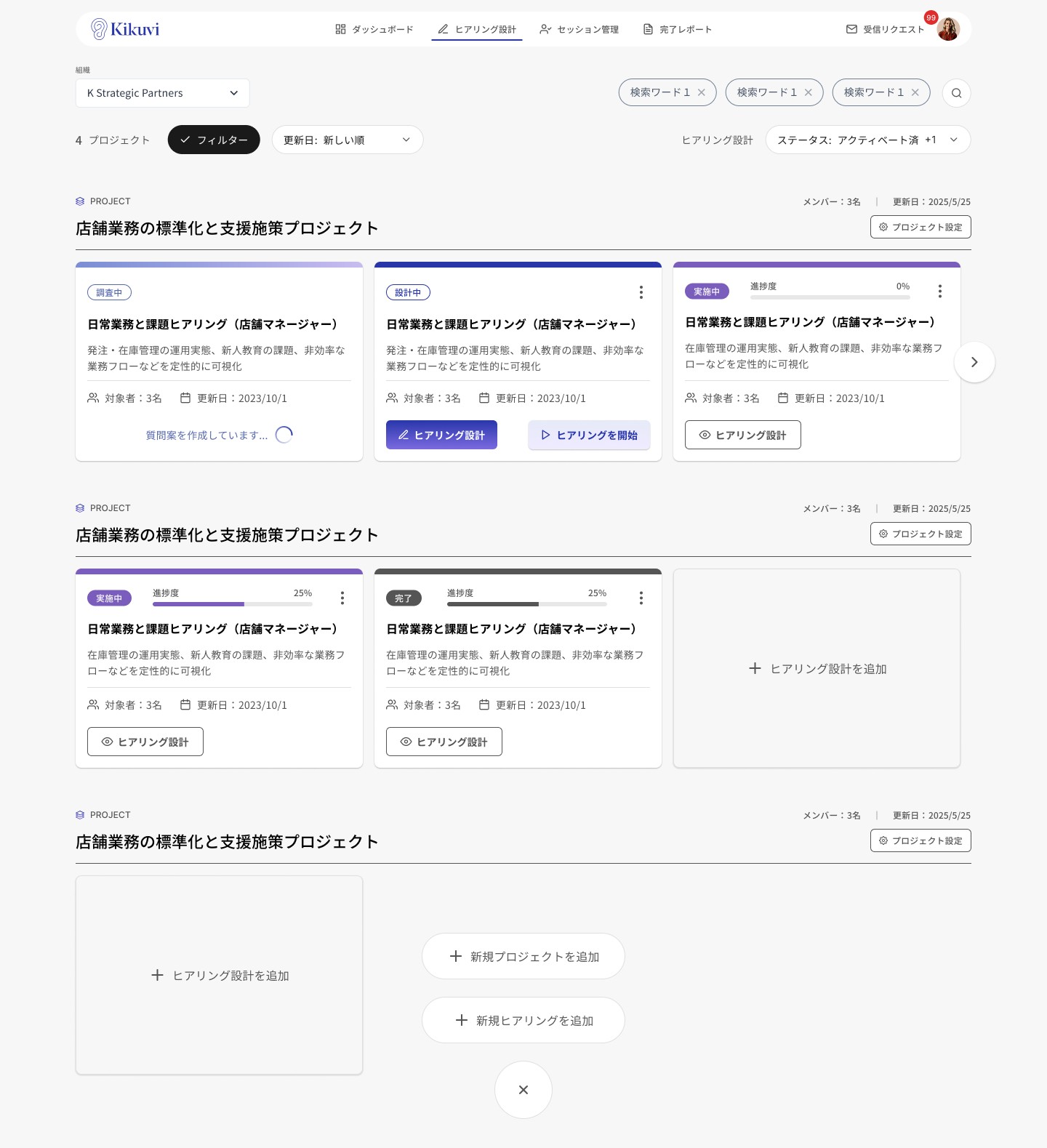
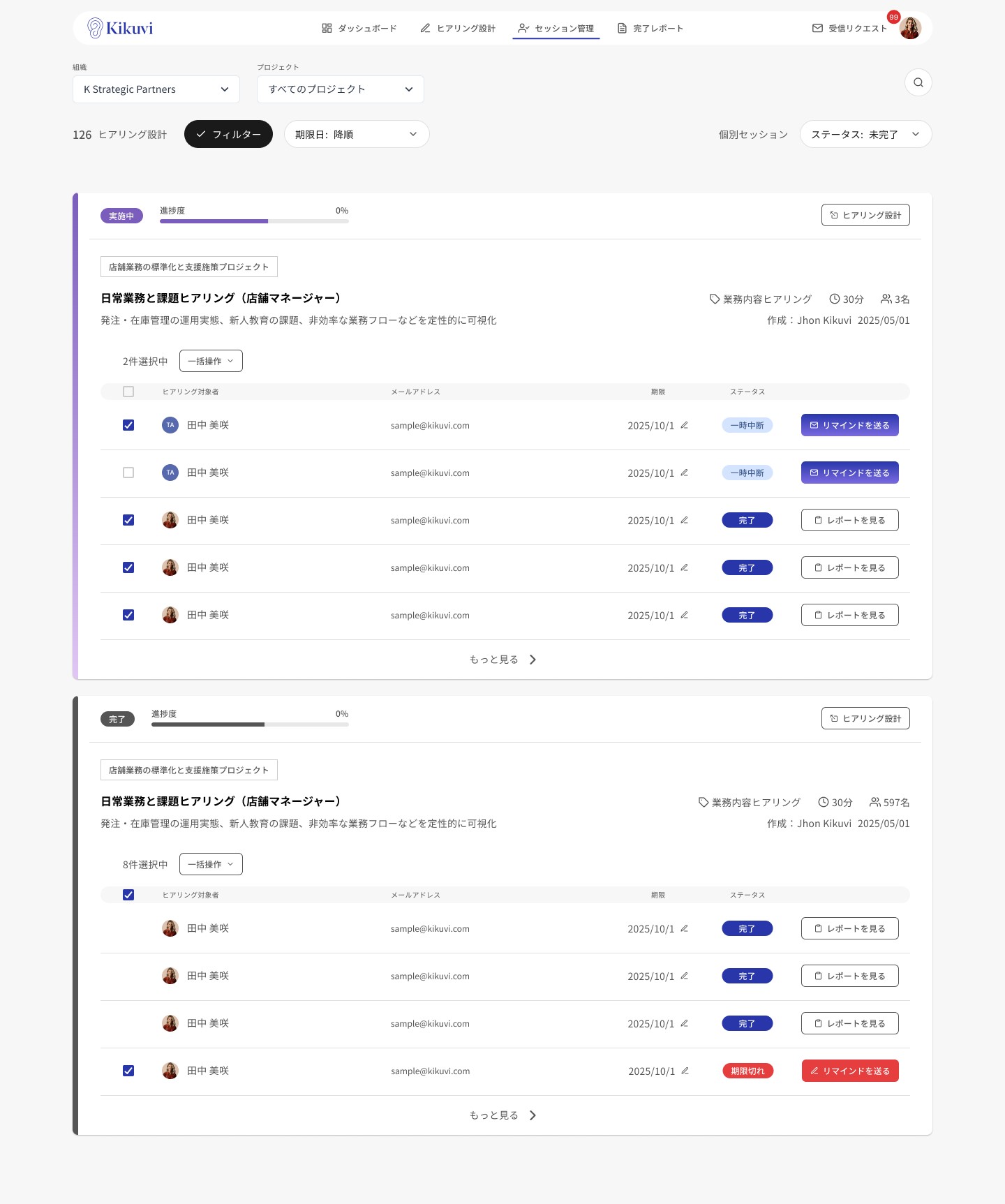
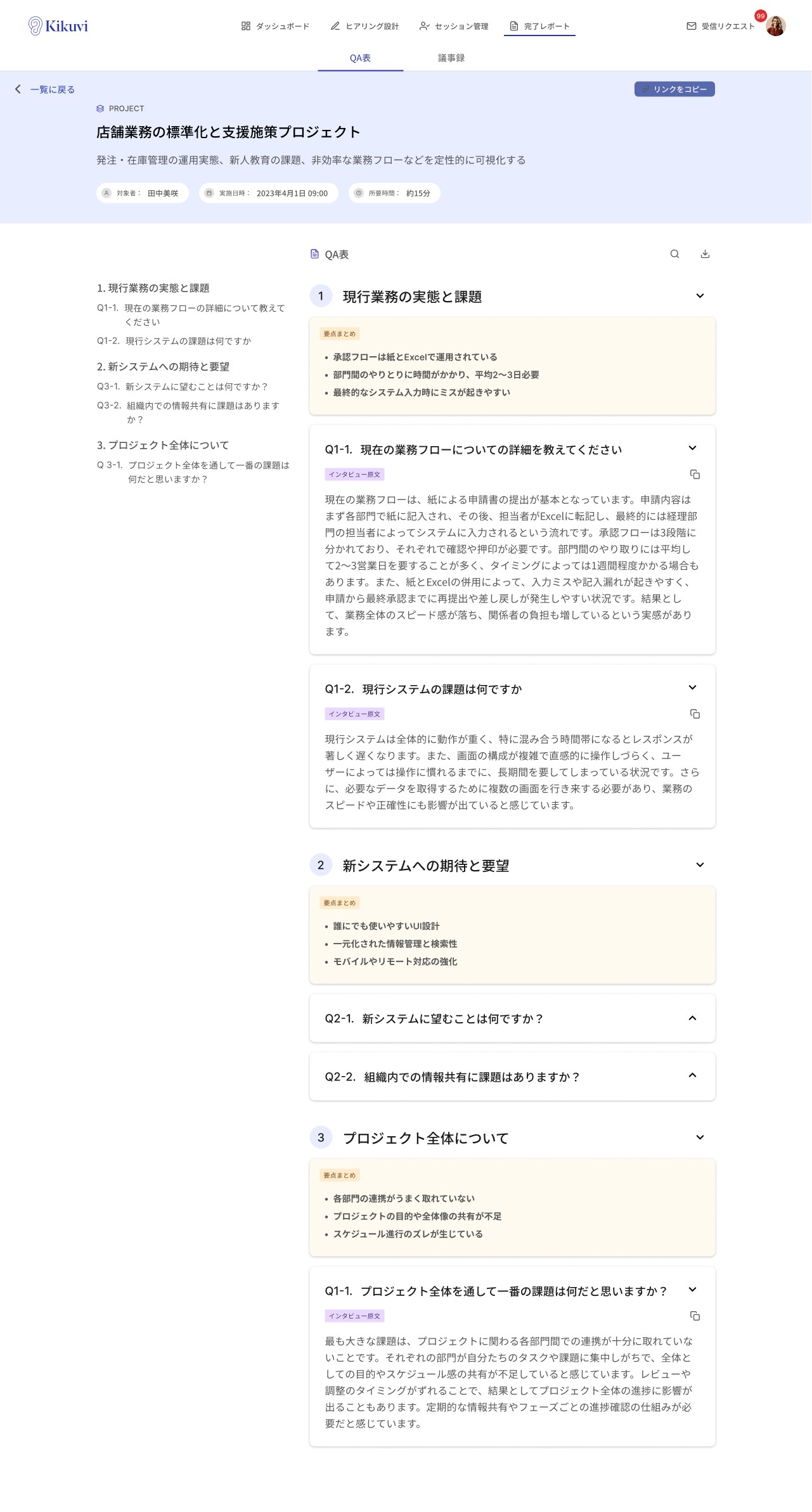
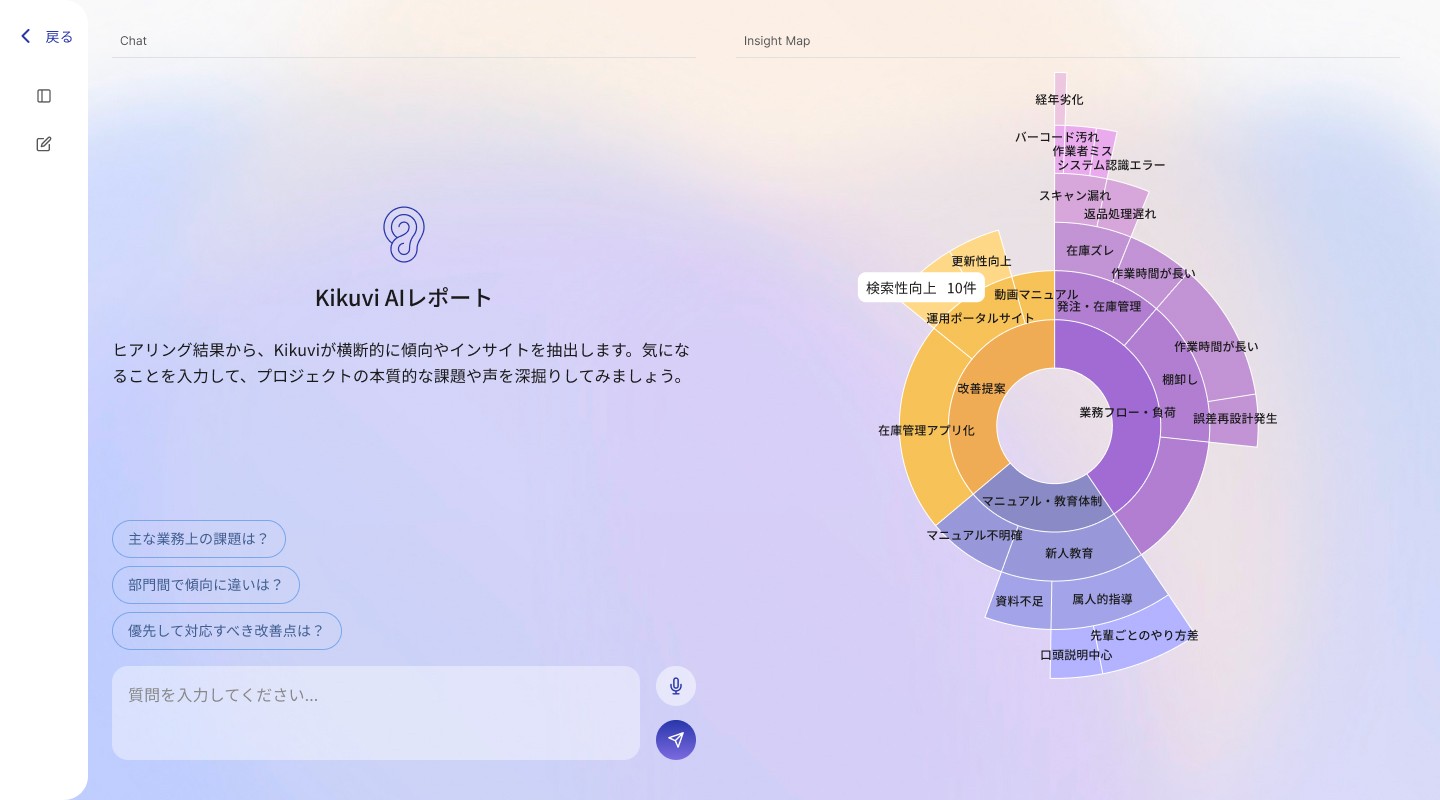
Interviews that previously could only be conducted with a limited number of people can now be collected and analyzed in parallel at scale. The collected responses can be output in multiple formats, including Q&A tables, meeting minutes, reports, network diagrams, and AI chat, and used for cross-functional analysis and decision-making.
Use Cases
Operations and Productivity Improvement
1-on-1 and management meetings
Workload survey and current-state assessment
Initial inquiry handling for DX initiatives
Strengthening Risk Governance
Internal Audit and Business Process Improvement
Employee Engagement Survey
Decision-making and Quality Improvement
Turning Organizational Knowledge into an Asset
Accumulation of new business know-how
Visualization of cross-functional tacit knowledge
Knowledge transfer from R&D and experienced experts